
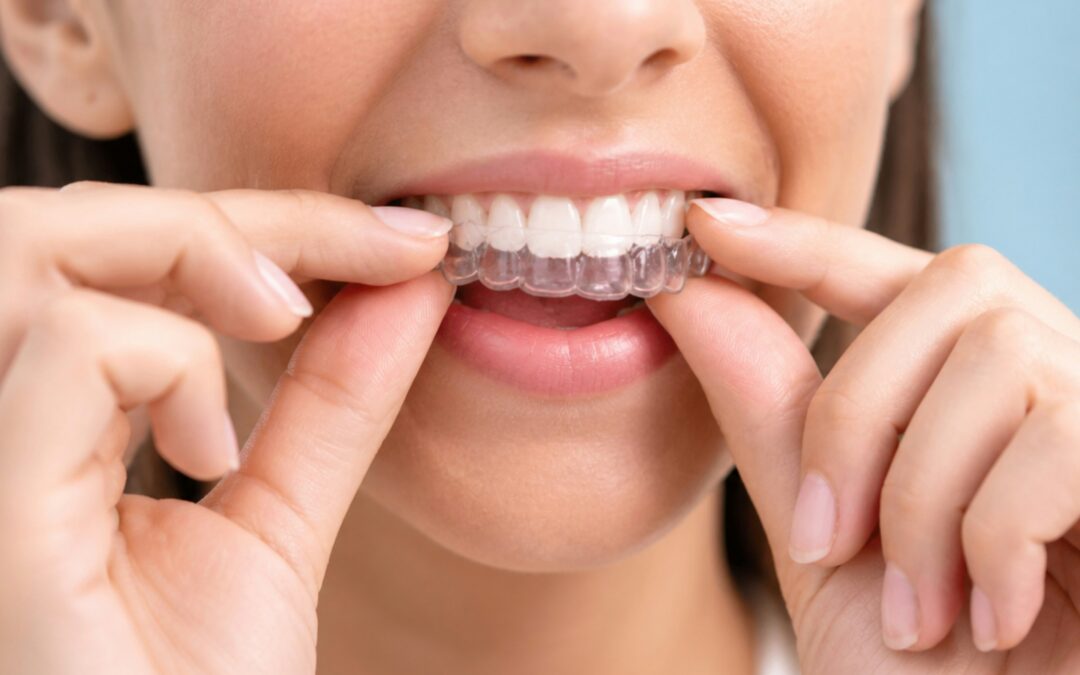
Invisalign can make orthodontic treatment feel easier to fit into everyday life, especially because the clear aligners are removable. But that convenience can sometimes lead to habits that are not so convenient for your teeth. A quick rinse instead of brushing, wearing trays after eating, or forgetting to clean the aligners can gradually create problems that are easy to overlook.
For patients in Valencia, keeping your teeth and aligners clean is an important part of getting through treatment comfortably and protecting your smile at the same time. In this blog, we will explore the most common oral hygiene mistakes Invisalign patients should avoid, why they matter, and what simple habits can make daily care easier.
Common Oral Hygiene Mistakes Invisalign Patients Should Avoid
Invisalign makes orthodontic treatment convenient because you can remove the aligners when eating and brushing. If you are working with an Invisalign dentist in Los Lunas, following their guidance and maintaining a consistent daily routine can make it easier to keep your teeth, gums, and aligners clean throughout treatment.
Simple habits like brushing after meals, cleaning your aligners, and flossing regularly can help you avoid common oral hygiene mistakes and protect your oral health while your smile is being straightened.
1. Putting Aligners Back Without Cleaning Your Teeth
Food particles and bacteria can remain on your teeth after meals. Putting aligners back over unclean teeth can trap this buildup and increase the chance of plaque and bad breath.
To avoid this:
- Brush your teeth after eating when possible.
- Rinse your mouth with water if brushing is not available.
- Clean your aligners before putting them back in.
2. Eating or Drinking With Aligners
Remove your aligners before eating or drinking anything other than water. Sugary and acidic drinks can leave residue against your teeth, while coffee and other colored drinks may stain the trays.
A simple habit is to:
- Remove the aligners before meals.
- Drink plain water while wearing them.
- Rinse your mouth after eating.
- Brush before putting the trays back in when possible.
3. Not Cleaning the Aligners
Clear aligners can collect saliva, bacteria, and food particles even when they look clean. Rinse them regularly and follow the cleaning instructions provided by your dental professional.
Avoid:
- Very hot water
- Abrasive cleaning products
- Harsh household cleaners
Keeping the aligner case clean is also important because dirty cases can transfer bacteria back onto clean trays.
4. Skipping Flossing
A toothbrush cannot properly clean the spaces between your teeth. Flossing or using an interdental cleaner helps remove plaque and trapped food that brushing may miss.
Try to clean between your teeth at least once a day, particularly before bed.
5. Brushing Too Hard
Brushing with excessive pressure does not make your teeth cleaner. It can instead irritate your gums and make sensitive areas uncomfortable.
Use:
- A soft-bristled toothbrush
- Gentle circular movements
- Extra care around the gumline
- Careful brushing around Invisalign attachments
6. Leaving Aligners Out for Too Long
Invisalign trays need to be worn according to your provider’s instructions. Leaving them out for long periods after meals or while socializing may affect your treatment progress. This is one practical difference to consider when comparing traditional braces vs Invisalign, as Invisalign requires you to remember when to remove and replace your aligners.
After eating:
- Rinse your mouth.
- Brush your teeth when possible.
- Clean your aligners.
- Put them back in as recommended.
7. Ignoring Gum Problems
Bleeding, swelling, redness, tenderness, or persistent bad breath should not simply be ignored. These symptoms can sometimes be linked to plaque buildup or gum irritation.
If you notice these signs, pay attention to whether they improve with better daily cleaning. If the problem continues, speak with your dental professional.
8. Skipping Regular Dental Checkups
Regular dental visits remain important during Invisalign treatment. Your dentist can check for:
- Cavities
- Gum problems
- Plaque buildup
- Tartar
- Other changes that may not be obvious at home
Avoiding these oral hygiene mistakes can make it easier to maintain healthy teeth and gums while your smile is being straightened.
A Simple Daily Invisalign Hygiene Checklist
Keeping your routine simple can make it easier to stay consistent throughout Invisalign treatment. You do not need to spend a lot of extra time caring for your teeth and aligners. A few basic habits, followed each day, can help keep your mouth fresh and your aligners clean.
Morning
- Brush your teeth carefully.
- Clean between your teeth.
- Clean your aligners as recommended.
- Put your aligners back in.
During the Day
- Remove aligners before eating.
- Drink water while wearing your aligners.
- Rinse your mouth after meals.
- Brush before replacing your aligners when possible.
- Keep your aligners in their case when they are not in your mouth.
At Night
- Brush for about two minutes.
- Floss or clean between your teeth.
- Clean your aligners.
- Check for visible buildup or damage.
- Follow your provider’s instructions for overnight wear.
Interesting Read: Invisalign for Teens: Safe, Effective, and Comfortable
When Should You Ask Your Dentist for Help?
Not every Invisalign concern can be solved by changing your cleaning routine. Contact your dental professional if you experience persistent gum bleeding, swelling, unusual pain, a damaged aligner, ongoing bad breath, or signs of tooth decay.
It is also worth asking for advice if you are struggling to keep your aligners clean or are unsure about the right cleaning products. Getting an answer early can prevent a small concern from becoming a bigger problem.
For patients looking for general dental care in the Valencia area, regular professional guidance can also help maintain oral health throughout orthodontic treatment.
Valencia Family Dentistry & Orthodontics: Supporting Better Invisalign Care
Invisalign care is not only about wearing your aligners. Keeping your teeth and gums clean throughout treatment is just as important. Valencia Family Dentistry & Orthodontics can help patients understand the daily habits that support better oral health during Invisalign treatment.
Patients should focus on:
- Clean Teeth: Brush and floss regularly to reduce plaque buildup.
- Clean Aligners: Rinse and clean trays as recommended.
- Healthy Gums: Watch for bleeding, swelling, or irritation.
- Regular Visits: Keep dental appointments to catch concerns early.
If you are searching for an affordable dentist in Los Lunas, our team can provide guidance to help you care for your smile throughout your Invisalign treatment. The focus should always be on maintaining healthy teeth and gums while working toward a straighter, more confident smile.
Conclusion
Invisalign can make straightening your teeth easier to fit into everyday life, but it also means taking a little more responsibility for your oral care. Simple things like putting your aligners back on without brushing, skipping flossing, or forgetting to clean the trays can add up over time. Being aware of these oral hygiene mistakes can help you avoid them before they become a bigger concern.
You do not need a complicated routine to look after your smile. Brush and floss regularly, clean your aligners, drink water, and keep your dental appointments. Most importantly, pay attention to changes in your teeth or gums and ask your dentist when something does not feel right. A few consistent habits can go a long way toward keeping your smile healthy throughout Invisalign treatment.
FAQs
1. Can I drink coffee while wearing Invisalign?
It is better to remove your aligners before drinking coffee. Coffee can stain the trays, and adding sugar or milk can leave residue against your teeth.
2. How often should I clean my Invisalign aligners?
Clean your aligners regularly throughout the day, especially when you remove them for meals. Follow your dental professional’s instructions for the most suitable cleaning method.
3. Can I brush my teeth immediately after eating?
Generally, brushing after meals is helpful, but after acidic foods or drinks, you may want to rinse with water and wait before brushing. Ask your dentist if you have specific concerns.
4. Why do my gums bleed while wearing Invisalign?
Bleeding gums can be associated with plaque buildup or gum irritation. Continue gentle brushing and cleaning between your teeth, and speak with your dentist if bleeding continues.
5. What should I do if my Invisalign aligner becomes cloudy?
Rinse and clean the aligner using the recommended method. Avoid abrasive cleaners and hot water. If the cloudiness remains or the tray appears damaged, ask your dental professional for advice.


