
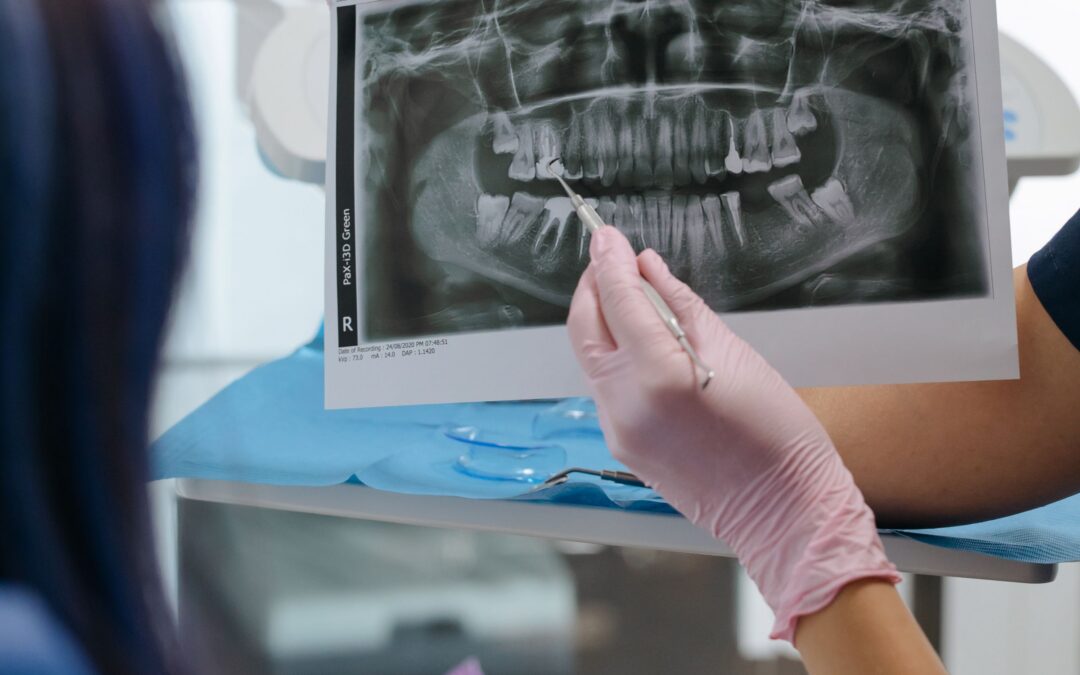
Wisdom teeth are often the hardest teeth to keep clean because they sit far back in the mouth, where food and plaque can easily collect. Even with regular brushing and flossing, their deep grooves may increase the risk of cavities. This raises an important question: are dental sealants a practical way to protect wisdom teeth?
The answer depends on how the teeth have developed, whether they are fully erupted, how easily they can be cleaned, and whether they are likely to remain in place. Dental sealants can protect certain vulnerable chewing surfaces, but they are not necessary for every wisdom tooth.
In this blog, we will explore whether dental sealants for wisdom teeth are a concern worth discussing with your dentist, how sealants work, when they may help, and what alternatives are available.
What are Dental Sealants and How Do They Work?
Dental sealants are thin protective coatings applied to the chewing surfaces of certain teeth. They are usually made from a dental resin or another suitable material that flows into the small pits and grooves on the tooth surface.
These grooves are common on molars, including wisdom teeth. Their uneven surfaces can trap food debris and plaque, making them more difficult to clean thoroughly.
A dentist generally applies sealants through the following steps:
- Cleaning the tooth: The chewing surface is cleaned to remove plaque and debris.
- Preparing the enamel: A conditioning solution helps the sealant bond to the tooth.
- Applying the sealant: The material is placed into the pits and grooves.
- Hardening the coating: Depending on the material, a special curing light may be used to harden it.
- Checking the bite: The dentist checks the surface and makes adjustments if necessary.
The process is generally quick and does not usually require drilling or removing healthy tooth structure.
Sealants act as a physical barrier between food, bacteria, and the vulnerable grooves of a tooth. However, they do not replace brushing, flossing, or regular dental examinations. They also cannot treat a cavity that has already developed.
Are Dental Sealants Needed for Wisdom Teeth?
Whether dental sealants are needed for wisdom teeth is a question that depends on the condition and position of each tooth. Sealants may be helpful when wisdom teeth have fully erupted, have healthy enamel, and contain deep grooves that are difficult to clean.
However, wisdom teeth are not automatically suitable candidates for sealants. Some remain partially covered by gum tissue, while others grow at an angle or become impacted. In these situations, the dentist must consider the overall condition of the tooth before recommending preventive treatment.
1. When Sealants May Be Beneficial
Sealants may be worth considering when:
- The wisdom tooth has erupted completely and is accessible for cleaning.
- Its chewing surface has deep pits or grooves where plaque can collect.
- The tooth is healthy and does not have an existing cavity requiring treatment.
- The tooth is expected to remain in the mouth for the foreseeable future.
- The patient has an increased risk of tooth decay.
For example, someone with fully erupted wisdom teeth that have deep grooves may benefit from sealants if those teeth are difficult to clean effectively despite good daily oral hygiene.
2. When Sealants May Not Be Necessary
Sealants may offer little practical benefit if a wisdom tooth is likely to require removal, is severely damaged, or cannot be accessed properly for application.
A dentist may also recommend other preventive measures when the tooth is easy to clean and has relatively shallow grooves.
Not every wisdom tooth needs to be saved or sealed. If a tooth keeps causing trouble or is hard to clean, discussing wisdom teeth removal in Valencia with your dentist may help you understand whether removal makes more sense than continued preventive care.
Why are Wisdom Teeth More Vulnerable to Cavities?
Wisdom teeth, also called third molars, are the last permanent teeth to emerge. They commonly appear during the late teenage years or early adulthood, although the timing varies from person to person.
Their position creates several challenges that can make preventive care more difficult.
1. They are Difficult to Reach
Wisdom teeth sit at the back of the mouth, leaving limited space for toothbrushes and floss. People may unintentionally miss these teeth while brushing, especially when the teeth are partly erupted or positioned close to the cheek.
Even a consistent oral hygiene routine may not remove every bit of plaque from these areas.
2. Their Surfaces Can Have Deep Grooves
The chewing surfaces of molars often contain pits and fissures. These natural features can trap food particles and bacteria.
When plaque remains on the enamel, bacteria produce acids that gradually weaken the tooth surface. Over time, this can lead to cavities.
3. Partially Erupted Teeth Can Trap Debris
When a wisdom tooth emerges only partly, a flap of gum tissue may cover part of its surface. Food and bacteria can collect underneath this tissue, making the area difficult to clean.
This can contribute to inflammation around the tooth, a condition known as pericoronitis. Sealants do not solve this problem because they protect the chewing surface rather than the surrounding gum tissue.
4. Crowding Can Make Cleaning More Difficult
Wisdom teeth sometimes emerge at an angle or press against neighboring teeth. These positions may create spaces where food and plaque accumulate.
In some cases, decay can develop on the wisdom tooth or on the back surface of the second molar next to it.
These risks explain why a dentist may recommend closer monitoring even when a wisdom tooth is not causing obvious discomfort.
Interesting Read: Wisdom Teeth Removal: How Long Does the Procedure Take?
What Factors Determine Whether a Wisdom Tooth Needs Sealants?
There is no single rule that applies to every patient. A dental examination helps determine whether sealants are likely to provide meaningful protection.
The dentist may consider the following factors.
1. Tooth Position and Eruption
A fully erupted wisdom tooth is generally easier to examine and treat than one covered partly by gum tissue. Sealants work best when the chewing surface is accessible, dry, and suitable for bonding.
If the tooth is impacted or difficult to reach, the dentist may discuss monitoring or other treatment options.
2. Existing Tooth Decay
Sealants are primarily preventive. They should not be used as a substitute for treating an established cavity.
If decay is suspected, the dentist may recommend a clinical examination and dental X-rays when appropriate. The findings help determine whether the tooth needs a filling, another treatment, or removal.
3. Risk of Future Cavities
People with a history of cavities, frequent sugar exposure, or difficulty maintaining oral hygiene may benefit from additional preventive measures.
A dentist may consider sealants alongside fluoride toothpaste, professional fluoride treatments when indicated, and regular checkups.
4. The Expected Future of the Tooth
If a wisdom tooth is healthy, functional, and likely to remain in place, protecting its chewing surface may be worthwhile.
However, impacted or repeatedly infected teeth may require removal. For patients who later need tooth replacement, dental implants in Valencia may be an option to discuss with a dentist, depending on their individual needs and oral health.
Benefits and Limitations of Wisdom Teeth Sealants
Dental sealants can help protect vulnerable chewing surfaces, but their suitability depends on the condition of each wisdom tooth.
Benefits of Dental Sealants:
- Cavity protection: Sealants cover deep grooves where plaque and food particles collect.
- Preserve healthy enamel: Preventing decay may reduce the need for future dental treatments.
- Simple application: Applying sealants to suitable teeth is generally quick and painless.
- Extra protection: Sealants complement brushing, flossing, and regular dental checkups.
Limitations to Consider:
Sealants do not protect every tooth surface, and cavities can still develop in uncovered areas. They may also wear down, chip, or detach over time, requiring dental checks and possible replacement.
Sealants cannot treat impacted wisdom teeth, gum infections, or teeth that require removal. Therefore, deciding whether dental sealants are needed for wisdom teeth is a concern that should involve a dental assessment based on tooth position, cavity risk, and overall oral health.
Interesting Read: Tooth Extraction vs. Root Canal: Which Option is Better?
How Can You Tell If Your Wisdom Teeth Need Attention?
Wisdom teeth do not always cause symptoms when a problem first develops. That is why routine dental visits are important, even when the teeth seem comfortable.
Watch for these signs:
- Pain or tenderness near the back of the jaw.
- Red, swollen, or bleeding gum tissue around a wisdom tooth.
- Food repeatedly gets trapped behind the second molars.
- Persistent bad breath or an unpleasant taste.
- Sensitivity to hot, cold, or sweet foods.
- Difficulty opening the mouth or discomfort while chewing.
These symptoms do not necessarily mean you need sealants. They may indicate decay, gum inflammation, infection, or another problem that requires examination.
Seek prompt dental care if you experience worsening swelling, fever, or difficulty swallowing. Difficulty breathing or significant swelling that affects swallowing requires emergency medical attention.
Dental Sealants for Wisdom Teeth at Valencia Family Dentistry
Choosing the right preventive care starts with understanding your oral health. At Valencia Family Dentistry & Orthodontics, patients in Valencia can discuss wisdom tooth concerns, cavity prevention, and suitable treatment options.
A dental examination helps determine whether wisdom teeth are fully erupted, may benefit from sealants, or show signs of decay or gum inflammation.
Depending on your needs, the evaluation may include:
- An examination of the wisdom teeth: Checking their position, accessibility, and overall condition.
- An assessment of cavity risk: Identifying deep grooves, plaque buildup, and other factors that may increase the likelihood of decay.
- Preventive care recommendations: Discussing sealants, fluoride protection, and practical oral hygiene techniques.
- Further evaluation when needed: Considering dental imaging or referral for additional treatment if the tooth appears impacted or presents other concerns.
If you are looking for a dentist in Los Lunas, New Mexico, an examination can help clarify which preventive measures are appropriate for your wisdom teeth and when further treatment may be necessary.
Conclusion
Dental sealants needed for wisdom teeth depend on the tooth’s position, condition, and risk of decay. Sealants can protect healthy chewing surfaces with deep grooves, but they are not suitable for every wisdom tooth.
Regular dental checkups and good oral hygiene help prevent problems and identify concerns early. If you are unsure whether sealants are right for you, consult your dentist to determine the most appropriate care for your wisdom teeth.
FAQs
1. Can wisdom teeth get dental sealants?
Yes. Fully erupted wisdom teeth with healthy enamel and deep grooves may benefit from sealants after a dental assessment.
2. Do dental sealants prevent all wisdom tooth cavities?
No. Sealants protect covered surfaces, but cavities can develop elsewhere. Regular brushing and dental checkups remain essential.
3. Are dental sealants painful to apply?
No. Applying sealants is generally painless and usually requires no drilling or anesthesia.
4. Should partially erupted wisdom teeth receive sealants?
Not always. Partially erupted teeth can be difficult to clean and seal properly, so a dentist should assess them first.
5. How long do dental sealants last on wisdom teeth?
Sealants can last several years, depending on wear and material. Regular dental checkups help identify when repairs or replacement are needed.


