
For people who have worn dentures for years, it is natural to wonder, “Is it too late for dental implants?” The good news is that wearing dentures for a long time does not automatically rule out implants. Your dentist will first check your jawbone, gums, and overall oral health to see if implants are a suitable option.
If you are in Valencia, Los Lunas, or a nearby area and are dealing with loose dentures, chewing difficulties, or discomfort, it may be time to explore your options. In this blog, we will look at whether dental implants after years of wearing dentures are possible, how bone loss can affect treatment, and what you can expect from the process.
Can You Get Dental Implants After Years of Wearing Dentures?
Yes, many people can receive implants even after wearing dentures for several years. The number of years you have worn dentures is not usually the deciding factor. Instead, your dentist will look at the amount of bone available, gum health, medical history, and your treatment goals.
When natural teeth are lost, the jawbone no longer receives stimulation from tooth roots. Over time, this can cause the bone to gradually shrink. This is one reason older dentures may stop fitting as well as they once did.
Bone loss does not necessarily mean you cannot have implants. Your dentist can use dental imaging to determine whether there is enough bone to support an implant or whether additional treatment may be needed first.
For many people, dental implants after years of wearing dentures can still be a realistic option with careful planning.
How Long-Term Denture Use Can Affect Your Mouth
Dentures replace missing teeth, but they do not replace the roots underneath them. Because of this, changes in the jaw can occur gradually after tooth loss.
You may notice:
- Dentures becoming loose or moving while eating
- Sore areas along the gums
- Difficulty chewing certain foods
- Changes in facial shape
- Dentures needing more frequent adjustments
- Changes in speech caused by poor denture stability
These changes do not automatically rule out implants. They simply make a proper examination more important.
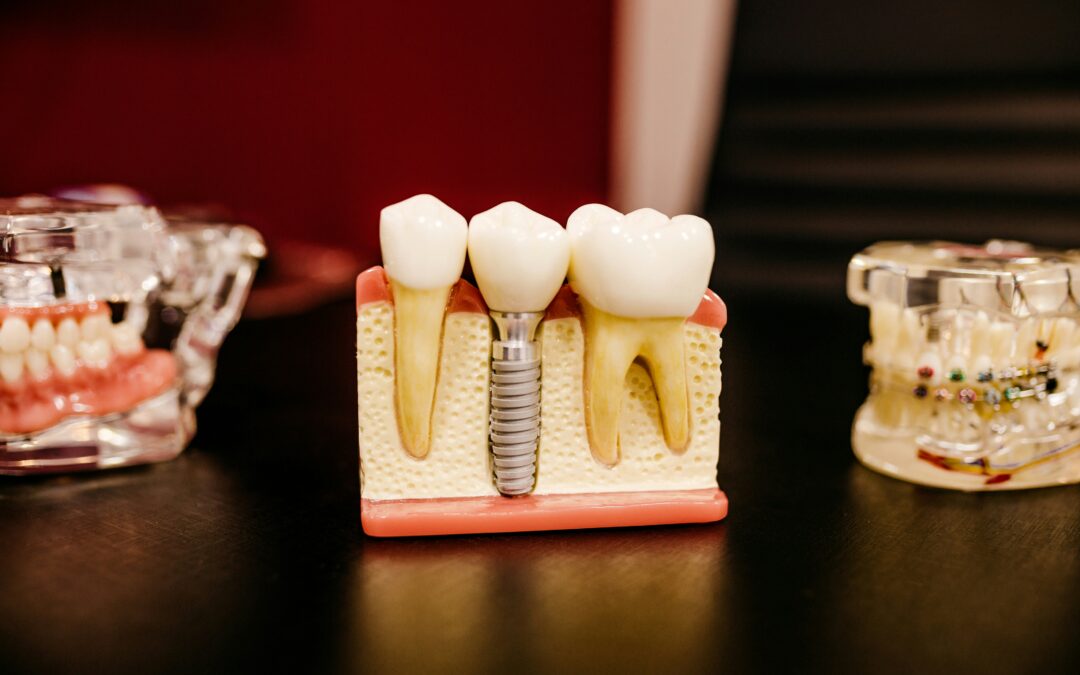
An implant is designed to sit in the jawbone and act as an artificial tooth root. Depending on your situation, implants may support a crown, bridge, or denture.
If you are considering an Implant dentist in Los Lunas, a consultation can help determine whether your current bone and gum condition can support treatment.
What Will Your Dentist Check Before Implants?
An implant consultation involves more than checking how your dentures fit. Your dentist needs to understand the condition of the tissues that will support the new restoration.
1. Jawbone
Dental X-rays or three-dimensional imaging can show the height and width of the available bone. This helps your dentist plan where implants could be placed.
2. Gum Health
Healthy gums are important for successful implant treatment. If gum inflammation or infection is present, it may need to be treated before moving forward.
3. Medical History
Your dentist will review your medications and health history because certain conditions can affect healing. Be open about any medical concerns so your treatment can be planned safely.
4. Denture History
Tell your dentist how long you have worn dentures and whether they have become uncomfortable or unstable. Your experience with dentures can help guide the treatment discussion.
5. Your Goals
Some patients want fixed replacement teeth, while others prefer a removable option that feels more secure. Knowing what you want from treatment helps your dentist recommend suitable choices.
Interesting Read: Why Choose Dental Implants?
What If You Have Bone Loss?
Bone loss is a common concern among people looking into dental implants after years of wearing dentures. However, reduced bone does not always mean treatment is impossible.
If there is not enough bone in the planned implant area, your dentist may discuss a bone graft or another procedure to improve the foundation. In other cases, treatment may be planned around the bone that is already available.
The right approach depends on your individual anatomy. Your dentist should explain what is needed, how it may affect your treatment timeline, and whether other tooth replacement options are available.
It is also important to understand that additional procedures can mean a longer treatment period. Taking the time to build a suitable foundation can be an important part of achieving a stable result.
What Implant Options are Available for Denture Wearers?
There is no single implant solution for everyone. Your dentist will consider how many teeth are missing, your bone condition, and what type of restoration you prefer.
1. Single Tooth Implants
When only one tooth needs to be replaced, an implant can support an individual crown without relying on neighboring teeth for support.
2. Multiple Tooth Implants
If several teeth are missing, multiple implants may support a bridge or several replacement teeth.
3. Implant-Supported Dentures
For patients who have lost most or all of their teeth, implant-supported dentures may provide more stability than traditional removable dentures. The denture connects to implants instead of resting entirely on the gums.
4. Full Arch Restorations
Some patients may be candidates for a full arch restoration supported by several implants. The number and placement of implants depend on the patient’s bone structure and treatment plan.
Suggested Read: Bone Grafts for Implants: What to Know
What Happens During the Dental Implant Process?
If you are considering dental implants after years of wearing dentures, treatment generally starts with an examination and planning rather than immediately moving to surgery.
A typical process may include:
- Consultation: Your dentist evaluates your gums, jawbone, bite, and overall oral health.
- Imaging: X-rays or other scans help assess bone and plan implant placement.
- Preparation: Gum treatment or bone-related procedures may be needed before implant placement.
- Implant placement: The implant is placed into the jawbone using appropriate anesthesia.
- Healing: The implant needs time to become securely integrated with the surrounding bone.
- Restoration: A crown, bridge, or denture is attached once the area is ready.
- Maintenance: Regular dental visits and daily oral care help protect the implant and surrounding tissues.
The timeline is different for every patient. Someone who needs additional treatment may need more healing time than someone with sufficient bone and healthy gums from the beginning.
Why Choose Valencia Family Dentistry & Orthodontics for Dental Implants?
Choosing a dental implant provider is about more than replacing a missing tooth. You want care that considers your overall oral health, explains your options clearly, and helps you feel comfortable throughout the process. Valencia Family Dentistry & Orthodontics focuses on providing personalized dental care based on each patient’s needs.
Patients considering dental implants can benefit from:
- Personalized Treatment: Your oral health, bone support, and individual goals are considered before treatment begins.
- Clear Guidance: The dental team can explain what to expect during the implant process and answer questions along the way.
- Comprehensive Care: Maintaining healthy gums and surrounding teeth is an important part of successful implant care.
- Comfortable Experience: A supportive approach can make dental visits feel less stressful and more manageable.
- Ongoing Support: Follow-up care helps monitor healing and maintain your new smile over time.
If you are looking for an affordable Valencia dentist, Valencia Family Dentistry & Orthodontics can help you explore whether dental implants are a suitable option for your smile.
Conclusion
So, can you get dental implants after years of wearing dentures? In many cases, yes. The number of years you have worn dentures is only one part of the picture. Bone levels, gum health, general health, healing ability, and your preferred type of restoration all play a role.
For people in Valencia and the surrounding Los Lunas area, the best starting point is a consultation where your dentist can examine your mouth, discuss your concerns, and explain your available options. With the right evaluation and planning, dental implants after years of wearing dentures may be possible even when you have been using dentures for a long time.
FAQs
1. Can I get implants after wearing dentures for 20 years?
Yes. Wearing dentures for 20 years does not automatically prevent implant treatment. Your bone, gums, health history, and treatment goals will need to be evaluated first.
2. Does wearing dentures cause bone loss?
Long-term tooth loss can contribute to gradual jawbone loss because the natural tooth roots are no longer stimulating the bone.
3. What if I do not have enough bone for implants?
Your dentist may discuss bone grafting or other treatment options. The best approach depends on how much bone is available and where it is located.
4. Can implants make dentures more stable?
Yes. In suitable cases, implants can support a denture and help reduce movement while eating and speaking.
5. How do I know if implants are right for me?
A dental examination with appropriate imaging is the best way to determine whether implants are suitable for your mouth, health, and treatment goals.
6. Can You Wear Your Dentures During Treatment?
Often, yes. Your dentist may allow you to wear dentures during treatment, but they may need to be adjusted or removed temporarily while the implant area heals.


