
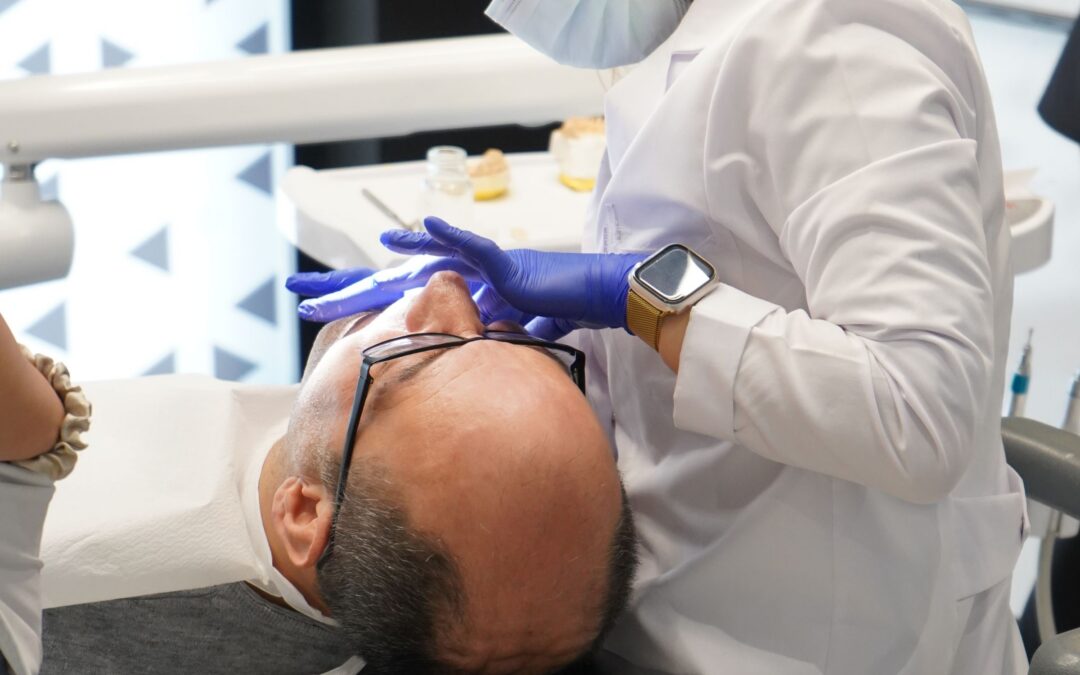
A root canal appointment can bring a sense of relief, especially if tooth pain has been keeping you awake or making everyday meals uncomfortable. However, once the treatment is finished, one practical question often comes to mind: can you get behind the wheel and drive home safely, or should you arrange a ride?
The answer depends less on the root canal itself and more on the type of anesthesia or sedation used during your appointment. Many patients can return home independently after routine treatment, while others need someone to drive them. In this blog, we will explore when it is safe to drive yourself home after a root canal, how different medications affect your ability to drive, and what you can do to make recovery more comfortable.
Can You Drive Yourself Home After a Root Canal Treatment?
Yes, in many cases, you can drive yourself home after a root canal if your dentist uses only local anesthesia and you feel alert, comfortable, and capable of driving safely. Local anesthesia numbs the treatment area without usually affecting your awareness or coordination.
During a typical root canal, your dentist removes infected or inflamed tissue from inside the tooth, cleans the canals, and seals the space. If you need Valencia endodontics care, understanding the treatment process and anesthesia options can help you plan your appointment and arrange transportation if necessary.
However, being awake does not automatically mean driving is appropriate for everyone. Your medical history, pain level, medications, and response to treatment all matter.
Before leaving the dental office, consider these three questions:
- What type of anesthesia did we receive?
- How do we feel after treatment?
- What medications have we taken?
If you are unsure whether you can drive yourself home after a root canal, ask your dentist before leaving the office. When there is any doubt about your ability to drive safely, arrange alternative transportation.
How Does Anesthesia Affect Your Ability to Drive?
Understanding the difference between local anesthesia and sedation helps you plan a safe journey home after a root canal.
1. Local Anesthesia
Local anesthesia numbs the tooth and surrounding tissues while you remain conscious. It may leave your lips, cheek, or tongue numb for several hours, but it generally does not affect alertness.
However, avoid driving if you feel dizzy, faint, or too uncomfortable to concentrate.
2. Oral Sedation
Oral sedation helps reduce dental anxiety but can cause drowsiness, slower reactions, and impaired coordination. If you receive a sedative, arrange for a responsible adult to drive you home. Its effects may continue even after you feel more awake.
3. Nitrous Oxide or Other Sedation Methods
Nitrous oxide, also called laughing gas, helps patients relax during dental treatment. Its effects usually wear off quickly, but follow your dentist’s instructions before driving.
Intravenous sedation and general anesthesia require someone to take you home, and you may need supervision during recovery. Confirm your transportation arrangements with your dental team before your appointment.
When Should You Avoid Driving After a Root Canal?
Even when a procedure uses only local anesthesia, your physical condition after treatment deserves attention. A short journey can become risky if you cannot concentrate or react quickly to changing traffic conditions.
Avoid driving if you experience any of the following:
- Dizziness or lightheadedness: You may struggle to maintain balance or respond quickly.
- Unusual drowsiness: Feeling sleepy can reduce attention and reaction time.
- Blurred vision or confusion: These symptoms can make it difficult to judge distances and road conditions.
- Significant pain: Severe discomfort can distract you from traffic and other hazards.
- Medication-related impairment: Some prescription pain medicines, anti-anxiety medicines, and sedatives affect alertness.
- Weakness or nausea: Feeling physically unwell can make driving uncomfortable and unsafe.
If you experience these symptoms, ask someone to drive you or use another safe transportation option. Do not attempt to overcome drowsiness with coffee or rely on an open window to stay alert.
Your safety and the safety of other road users should take priority over getting home quickly.
What Should You Expect After Root Canal Treatment?
Knowing what is normal after treatment can help you decide how to spend the rest of your day. Although each patient is different, a few temporary effects are common.
1. Numbness Around the Mouth
Your lips, cheek, or tongue may remain numb for several hours as the local anesthetic wears off. Avoid chewing until normal sensation returns, since it is easy to bite your cheek or tongue without realizing it.
2. Mild Tenderness or Soreness
The treated tooth and surrounding tissues may feel tender for a few days. You may also notice some jaw soreness after keeping your mouth open during treatment.
Mild discomfort should gradually improve. Follow the aftercare instructions provided by your dentist and use medication only as directed.
3. Temporary Changes in Chewing
Your dentist may place a temporary filling while the tooth awaits its final restoration. Until the tooth is fully restored, avoid hard, crunchy, or sticky foods that could damage the filling or weaken the tooth.
4. A Need for Additional Treatment
Some teeth require another appointment to complete treatment or place a permanent restoration. Your dentist will explain the next steps based on the condition of the tooth.
For example, dental crowns are often recommended after root canal treatment to protect teeth that have been weakened by extensive decay or previous damage. Following the recommended restoration plan helps reduce the risk of tooth cracking.
How to Prepare for a Safe Journey Home
A little planning before your appointment can make the experience less stressful, especially if you are unsure how you will feel afterward.
Here are five practical steps to follow.
1. Ask About Anesthesia in Advance
Tell your dentist about any medical conditions, allergies, and medications you take. Ask whether your treatment will involve local anesthesia alone or an additional form of sedation.
This information will help you decide whether you need a driver.
2. Arrange Transportation if Necessary
If sedation is planned, arrange for a responsible adult to accompany you and take you home. Confirm whether your dental team requires the person to remain with you during recovery.
It is better to have a transportation plan ready than to look for a ride after treatment.
3. Follow Instructions About Food and Drink
If you are receiving local anesthesia alone, you may be able to eat normally before the appointment. Sedation may involve specific fasting instructions, so follow the directions given by your dental team.
After treatment, wait until the numbness has worn off before chewing to avoid accidentally injuring your mouth.
4. Check How You Feel Before Leaving
Before heading home, take a moment to assess your condition. Make sure you feel alert and steady, and tell the dental team if you feel dizzy, weak, nauseated, or unusually uncomfortable.
Do not drive if you have any symptoms that could interfere with safe driving.
5. Keep Your Schedule Flexible
If possible, avoid planning demanding activities immediately after your appointment. Even without sedation, you may prefer to rest for a while, particularly if you have been dealing with significant tooth pain.
Giving yourself time to recover can make the rest of the day more manageable.
Suggested Read: Root Canal for Abscessed Tooth: Why Immediate Care Matters
What Can Help You Recover Comfortably After a Root Canal?
Taking care of your treated tooth after a root canal can make recovery easier. Follow your dentist’s advice and pay attention to any changes in how you feel.
1. Follow Your Dentist’s Medication Instructions
Take recommended pain relief as directed. Check whether prescription medicines can cause drowsiness or affect driving. If you have questions about medication or pain management, consult your dentist or pharmacist.
2. Choose Foods That Are Easy to Chew
Choose soft foods such as yogurt, scrambled eggs, mashed vegetables, and oatmeal while your tooth feels tender. Avoid hard or sticky foods that could damage a temporary filling or put pressure on the treated tooth.
3. Maintain Your Oral Hygiene
Continue brushing gently and cleaning between your teeth as advised. Keep your mouth clean while avoiding unnecessary pressure on the sensitive area.
4. Attend Recommended Follow-Up Appointments
Your tooth may need a permanent filling or crown after root canal treatment. Attend follow-up appointments so your dentist can check healing and complete the recommended restoration.
5. Recognize Symptoms That Need Attention
Mild tenderness is normal, but worsening pain, swelling, or fever requires dental attention. Seek emergency care for difficulty breathing or swallowing or rapidly spreading facial or neck swelling.
When Should You Contact Your Dentist After a Root Canal?
Some tenderness is normal after a root canal, but worsening symptoms should not be ignored. Knowing the signs you need emergency root canal treatment can help you recognize when to seek prompt dental care.
Contact your dentist if you experience:
- Severe or worsening tooth pain.
- Swelling around the gums, jaw, or face.
- Fever or signs of infection.
- Persistent pressure or discomfort that does not improve.
- A loose or damaged temporary filling or crown.
These symptoms do not always mean you need emergency root canal treatment, but they should be evaluated by a dental professional. If you experience difficulty breathing or swallowing or rapidly spreading facial swelling, seek emergency medical care immediately.
How Valencia Family Dentistry Supports Root Canal Care in Valencia
At Valencia Family Dentistry & Orthodontics, we examine recurring tooth pain after a root canal to identify infection, decay, cracks, or damage and recommend suitable treatment.
Depending on the examination findings, treatment may include:
- Root canal treatment or retreatment
- Repairing or replacing a damaged filling or crown
- Treating new tooth decay or infection
- Exploring alternatives if the tooth cannot be saved
If you are experiencing persistent tooth pain in Valencia or Los Lunas, our team can evaluate your symptoms and explain your treatment options. As a trusted dentist in Los Lunas, we aim to help patients understand their dental concerns and make informed decisions about their oral health.
Conclusion
In most cases, you can drive yourself home after a root canal if you have received only local anesthesia and feel alert, steady, and comfortable. However, sedation, certain medications, or symptoms such as dizziness and unusual drowsiness can make driving unsafe. Knowing what to expect before your appointment can help you plan your journey home without unnecessary stress.
Before leaving the dental office, make sure you understand your aftercare instructions and know when to seek help if discomfort worsens. If you are unsure about driving or notice anything unusual after treatment, ask your dentist for guidance. Taking a few precautions can help you recover comfortably and return to your daily routine with greater confidence.
Compare: Root Canal vs. Tooth Extraction : Which Is Better?
FAQs
1. How long after a root canal can you drive?
There is no fixed waiting period for patients who receive only local anesthesia. If sedation is used, follow your dentist’s instructions and do not drive until it is safe to do so.
2. Can you drive after local anesthesia for a root canal?
Generally, yes. Local anesthesia numbs the treatment area without usually affecting alertness or coordination. Avoid driving if you feel dizzy, weak, or unwell.
3. Can you drive after being sedated for a root canal?
No. Sedation can affect your judgment, coordination, and reaction time. Arrange for a responsible adult to drive you home and follow your dentist’s recovery instructions.
4. Is it safe to drive after taking pain medication following a root canal?
It depends on the medication. Some pain relievers can cause drowsiness or dizziness. Check the medication instructions and avoid driving if your ability to react safely is affected.
5. Can you drive home if your mouth is still numb after a root canal?
Numbness from local anesthesia alone does not usually prevent driving. However, make sure you feel alert and comfortable, and follow any specific instructions provided by your dentist.


