
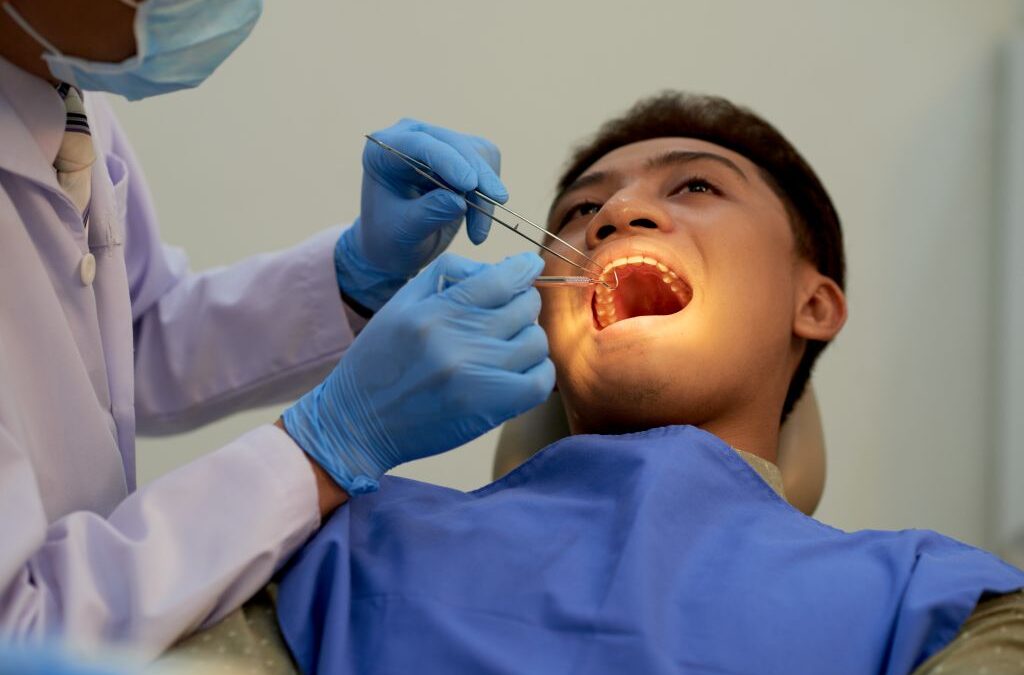
Tooth pain can start as a small annoyance and quickly turn into something that disrupts your sleep, work, and daily routine. Many people try to wait it out, hoping the discomfort will fade. But sometimes, ongoing tooth pain is a sign of a deeper issue that may require professional care, including oral surgery in Valencia.
If you’re unsure whether your symptoms are minor or serious, this guide will help. We’ll explain the common causes of severe tooth pain, when oral surgery might be necessary, what warning signs to watch for, and what recovery looks like. Understanding your options can help you make a confident and informed decision.
What is Oral Surgery?
Oral surgery in Valencia refers to dental procedures that treat complex problems involving teeth, gums, jawbone, or surrounding structures. These procedures go beyond simple fillings or cleanings and are typically recommended when a tooth cannot be saved through routine treatment.
Common types of oral surgery include:
- Wisdom tooth removal
- Surgical tooth extraction
- Treatment of severe infection
- Bone grafting
- Dental implant placement
Oral surgery is performed by trained dental professionals using advanced imaging, sterile techniques, and anesthesia to ensure patient comfort and safety.
Why it Matters and Who it Helps
Tooth pain is not always just a cavity. In some cases, it can signal infection, impaction, or structural damage.
Oral surgery becomes important when:
- Infection spreads beyond the tooth
- A tooth is severely cracked
- Wisdom teeth are impacted
- Swelling affects the jaw or face
For example, a patient might experience pressure at the back of their mouth from impacted wisdom teeth. At first, it feels manageable. Over time, swelling develops, making it difficult to open the mouth fully. In such cases, delaying treatment can worsen the condition.
Seeing a provider who offers oral surgery in Valencia early can prevent more serious complications.
Key Signs Your Tooth Pain May Require Oral Surgery
1. Severe or Throbbing Pain That Doesn’t Improve
If pain persists for more than a few days and worsens, it could indicate:
- Deep infection
- Abscess formation
- Nerve damage
Pain that spreads to the jaw, ear, or neck should not be ignored.
2. Swelling in the Gums or Face
Swelling often signals infection.
You may notice:
- Redness
- Tenderness
- A pimple-like bump on the gum
If swelling becomes severe or is accompanied by fever, contact a Valencia emergency dentist immediately.
3. Difficulty Opening Your Mouth
Impacted wisdom teeth or jaw infections can cause stiffness and limited movement.
If chewing or speaking becomes uncomfortable, surgical evaluation may be necessary.
4. Persistent Bad Taste or Drainage
A foul taste in your mouth can indicate pus draining from an abscess. This requires prompt treatment and possibly surgical intervention.
5. Cracked or Severely Damaged Tooth
If a tooth breaks below the gumline, it may not be restorable with a crown or filling.
Surgical extraction could be the safest option to protect surrounding teeth.
What Happens During Oral Surgery?
Understanding the process can ease anxiety.
Most procedures follow these steps:
- Comprehensive exam and digital X-rays
- Discussion of sedation options
- Numbing the area with local anesthesia
- Removal of the affected tooth or treatment of infection
- Post-operative care instructions
Many patients are surprised by how manageable the procedure feels, especially with modern sedation options.
Recovery After Oral Surgery
Recovery depends on the type of procedure performed.
Typical healing timeline:
- First 24–48 hours: Mild swelling and soreness
- Days 3–5: Gradual improvement
- 1–2 weeks: Full soft tissue healing
A common question patients ask is: Can I go to work the next day after wisdom tooth extraction?
In many cases, yes. If the extraction is straightforward and sedation is minimal, some patients return to light activities the following day. However, it’s best to allow at least one full day of rest.
Common Misconceptions About Oral Surgery
Myth: Tooth pain always goes away on its own.
Truth: Pain often signals an underlying issue that needs professional care.
Myth: Oral surgery is extremely painful.
Truth: With proper anesthesia, most patients feel little discomfort during the procedure.
Myth: Only wisdom teeth require surgery.
Truth: Severe decay, fractures, and infections can also require surgical treatment.
Myth: Waiting will save money.
Truth: Delaying treatment can lead to more complex and costly procedures later.
Tips for Protecting Your Oral Health
To reduce your risk of needing surgery:
- Schedule regular dental checkups
- Address cavities early
- Practice consistent brushing and flossing
- Avoid chewing hard objects like ice
- Seek prompt care for tooth pain
If pain becomes intense, do not delay. A Valencia emergency dentist can assess your condition and determine if immediate treatment is needed.
Frequently Asked Questions
How do I know if I need oral surgery?
Persistent pain, swelling, infection, or impacted teeth are common indicators. A dental exam and X-rays confirm the diagnosis.
Is oral surgery safe?
Yes. Modern technology and trained professionals make oral surgery safe for most patients.
How long does swelling last after surgery?
Swelling typically peaks within two to three days and then improves gradually.
Can infection spread if untreated?
Yes. Untreated infections can spread to surrounding tissues and potentially become serious.
What foods should I eat after surgery?
Soft foods such as yogurt, soups, mashed potatoes, and smoothies are recommended during initial recovery.
Conclusion
Tooth pain is your body’s way of signaling that something needs attention. While not every case requires surgery, certain symptoms should never be ignored.
If you are experiencing persistent pain, swelling, or signs of infection, consulting a provider who offers oral surgery in Valencia can protect your health and prevent complications.
Early diagnosis and treatment make a significant difference. If your symptoms worsen or you need urgent care, contact a Valencia emergency dentist for immediate evaluation.
Taking action now ensures your smile stays healthy and pain-free in the long run.


